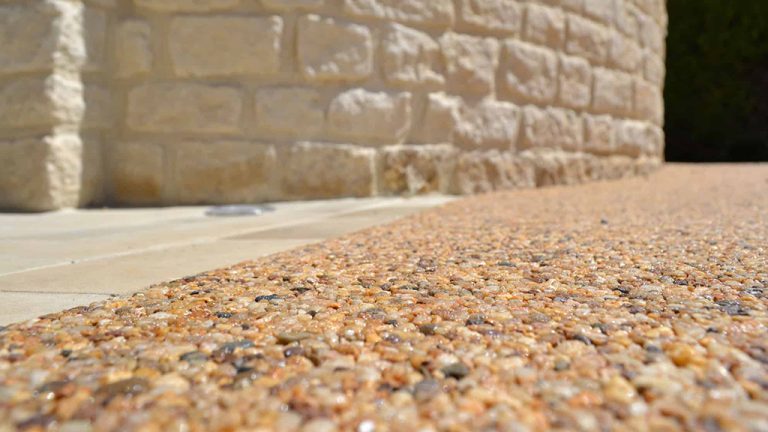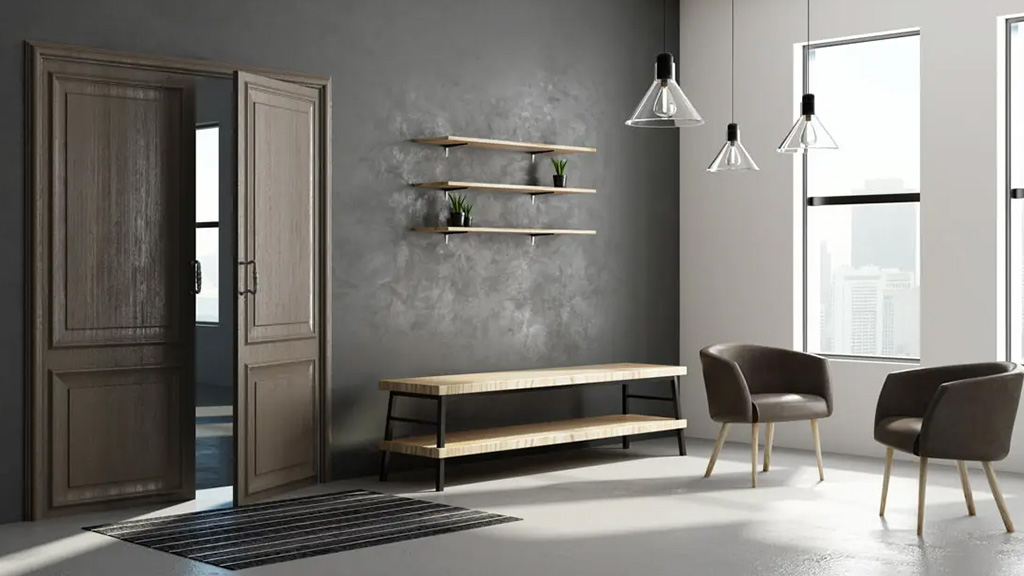
Microcement (also known as microconcrete or decorative cement coating) is a type of coating composed of cement, aqueous base resins, metallic pigments, and some additives. It has made a positive impact in both interior and exterior design industries. This innovative material can be applied seamlessly to a wide range of surfaces, such as floors, walls, and objects. It can even be used to create furniture pieces, decorative accessories, and artistic decorations.
History of Microcement
Microcement, which is one of the advanced materials in the construction industry, has an intriguing history that reflects its development over time. Initially, it was used in the construction industry as a functional surface material, but it was not widely known as a decorative material.
Turning Point and Popularity of Microcement
In recent years, microcement has gained significant attention from designers and architects due to its aesthetic appeal, durability, and versatility. It has become one of the most popular choices in both interior and exterior design. In 2015, microcement was recognized as one of the most distinctive coatings, reflecting its global acceptance and marking a turning point for this valuable and innovative material.
Development of Microcement
- Formula: The composition of microcement has been improved, and different types have been produced to meet the diverse needs of customers.
- Application Techniques: The techniques for applying microcement have evolved, making it easier and quicker to apply today, with the ability to create various designs and textures.
- Modern Uses: Microcement is now used in more areas beyond floors and walls, including in furniture making, decorative elements, and even artistic decorations.
The Future of Microcement
With the increasing trend toward sustainable and environmentally friendly materials, microcement holds a bright future as an eco-friendly option. Research and development in the microcement field continue, and we can expect more innovations in this area, including improvements in its technical and aesthetic properties.
The Future of Microcement
With the increasing trend toward sustainable and environmentally friendly materials, microcement holds a bright future as an eco-friendly option. Research and development in the microcement field continue, and we can expect more innovations in this area, including improvements in its technical and aesthetic properties.
Characteristics of Microcement
- High Resistance: Microcement is known for its strong and durable composition, making it resistant to wear and tear, humidity, sunlight, cracking, and peeling. This makes it suitable for high-traffic areas such as stores, restaurants, residential spaces with heavy traffic, and even outdoor areas and facades.
- Strong Adhesion: Thanks to its resin content, microcement offers excellent adhesion, allowing it to be applied easily to various surfaces such as cement, wood, metal, stone, MDF, and even old tiles.
- Seamless and Uniform: One of the key features of microcement is its ability to create smooth, seamless surfaces, providing a modern and beautiful look while making cleaning easier.
- Variety of Colors and Textures: Microcement is available in a wide range of colors and textures, offering designers various choices to suit their clients’ tastes and needs.
- Flexibility: Due to its high flexibility, microcement can be applied to surfaces with complex or irregular shapes and is capable of withstanding temperature and humidity changes.
- Easy and Fast Application: Due to its smooth texture and minimal thickness compared to other decorative coatings, microcement is easy and quick to apply.
- Color Stability: Thanks to its resistance to UV rays and environmental factors such as wear and tear and humidity, microcement maintains its color for a long period.
- Environmentally Friendly: Microcement is considered a sustainable and eco-friendly option due to its use of environmentally friendly raw materials and its low energy consumption during production.

Uses of Microcement
- Microcement for Floors: Due to its durability and wear resistance, microcement is an ideal choice for flooring in homes, stores, offices, and exhibitions.
- Microcement for Walls: Thanks to its versatility in texture and color, microcement is used as a wall covering in homes, hotels, and offices, providing an elegant and integrated look.
- Microcement for Ceilings: Sometimes referred to as the fifth wall, the ceiling can also be covered with microcement, creating a modern look in spaces with a contemporary design.
- Microcement Furniture: Using microcement to cover furniture pieces such as tables and surfaces is becoming an increasingly popular choice due to its aesthetic appeal and ease of cleaning.
Microcement for Outdoor Spaces
- Microcement for Facades: Due to its lightweight nature and resistance to UV rays, wear, humidity, and its ability to coordinate with other materials, microcement is one of the best options for facades.
- Microcement for Open Spaces: Microcement is also used in outdoor spaces such as roof gardens, boundary walls, decorative elements, and terraces around fire pits.
Conclusion
In conclusion, microcement is not only an innovative and modern material in the construction industry but also a sustainable and versatile choice with a significant impact on both interior and exterior design. With its excellent characteristics such as high durability, resistance to wear, beauty, and variety of colors and textures, microcement has established itself as one of the preferred options for designers and architects alike.